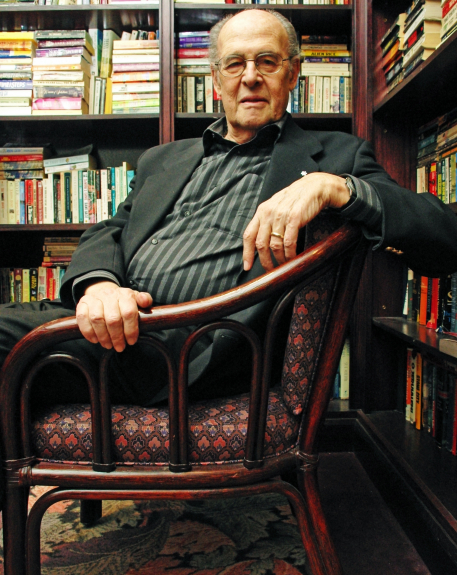
2026 INDUCTEE Michael D. Hill, MD Diagnosis, Treatment and Prevention, Brain & Mind
May 19, 1968
(Toronto, Ontario)
MSc, University of Calgary (2003)
MD, University of Ottawa (1993)
BSc, McGill University (1989)
2024: Health Research Foundation Medal of Honour
2024: Margolese National Brain Disorders Prize
See All AwardsAwards & Honours:
2024: Health Research Foundation Medal of Honour
2024: Margolese National Brain Disorders Prize
2022: Officer of the Order of Canada
2022: Queen Elizabeth II’s Platinum Jubilee Medal (Alberta)
2021: Fellow of the Royal Society of Canada
2021: Smith Distinguished Achievement Award, Cumming School of Medicine
2020: Science Breakthrough Award, American Brain Foundation
2016: Heart & Stroke Foundation of Canada, Award of Merit
2016: Fellow of the European Stroke Organization
2015: Peak Scholar Award, University of Calgary
2013: Fellow of the Canadian Academy of Health Sciences
2010: Reviewer of the Year Award, Canadian Journal of Neurological Sciences
2005: Cochrane Achievement Award, University of Calgary Faculty Research Award
2004: Michael S. Pessin Award, American Academy of Neurology
2002: Frances McNaughton Memorial Award, Canadian Neurological Society
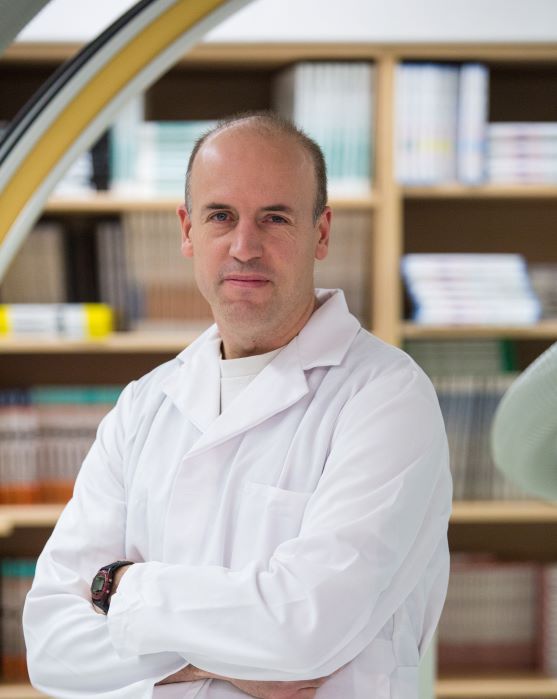
A pioneer in improved stroke outcomes
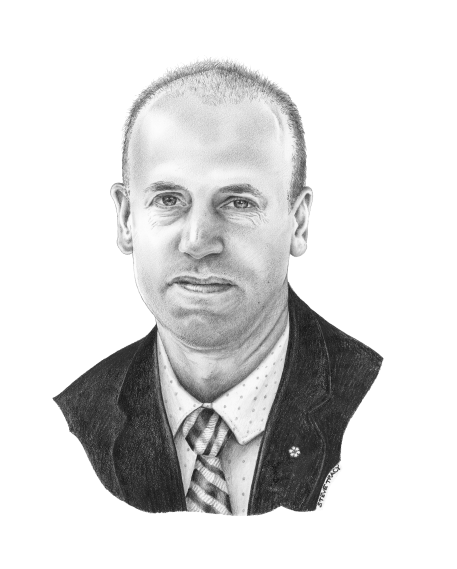
An esteemed neurologist, professor, and clinical epidemiologist at the University of Calgary, Michael D. Hill, MD, is internationally recognized for his pioneering contributions to stroke treatment. His novel clinical trials and research have set new standards for effective care and treatment of strokes, 85% of which are ischemic. Among his many achievements, Dr. Hill co-led the groundbreaking ESCAPE trial, demonstrating the effectiveness of endovascular thrombectomy (EVT) for removing large blood clots that cause the most severe ischemic strokes. This pivotal study reshaped therapeutic outcomes, as it showed that the use of EVT drastically reduced stroke-related disability and death. Since its publication in 2015, the ESCAPE study has informed clinical guidelines globally. The implementation of its results has changed the lives of millions of patients. Beyond his research, Dr. Hill is a prolific clinician-scientist, lecturer, and mentor, having supervised more than 150 students and fellows who have gone on to advance stroke care in other provinces and countries. Through his focus on innovative, patient-centred research and care, Dr. Hill has revolutionized the treatment of ischemic stroke, advancing the field of neurology and offering new hope for stroke patients of all ages.
Key Facts
A professor in Clinical Neurosciences at the University of Calgary, affiliated with the Hotchkiss Brain Institute, Calgary Stroke Program, Libin Cardiovascular Institute and O’Brien Institute for Public Health.
Proved the effectiveness of intravenous thrombolytic drug treatment for ischemic stroke in Canada and led to its full licensure by Health Canada.
Contributed to the development, safety and efficacy of dual antiplatelet therapy for hyperacute stroke prevention
Validated the use of the Alberta Stroke Program Early CT Score (ASPECTS), now widely used around the world to quickly assess the severity of a stroke.
Demonstrated the significant benefit of endovascular thrombectomy for major acute ischemic stroke.
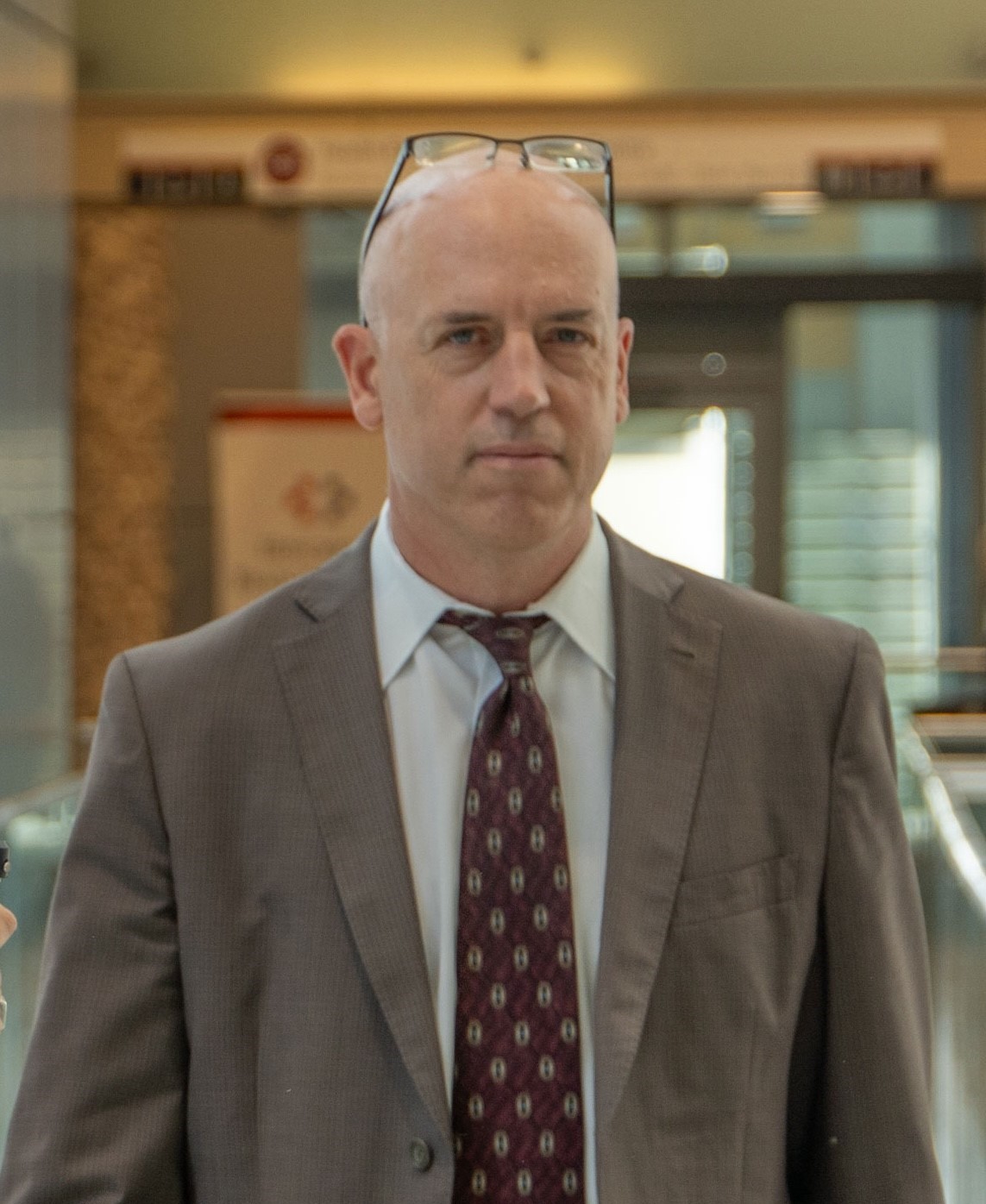
Fun Fact: In 2008, his head was shaved for the “shave your lid for a kid” charity event for children with cancer, and that was it for a head full of hair
Professional timeline
Impact on lives today
Dr. Michael Hill’s research on acute stroke has made treatment possible for patients who previously had no other options. His findings and therapies have resulted in radically improved patient outcomes, both in terms of mortality and increased quality of life. Dr. Hill’s trials are designed to ensure diversity in trial participants, acknowledging how stroke affects patients of all socio-economic classes, ages, genders and ethnicities. In this way, his methods have fundamentally changed the science of trials, leading to more inclusive, efficient and applicable trial methodologies.
2026
-
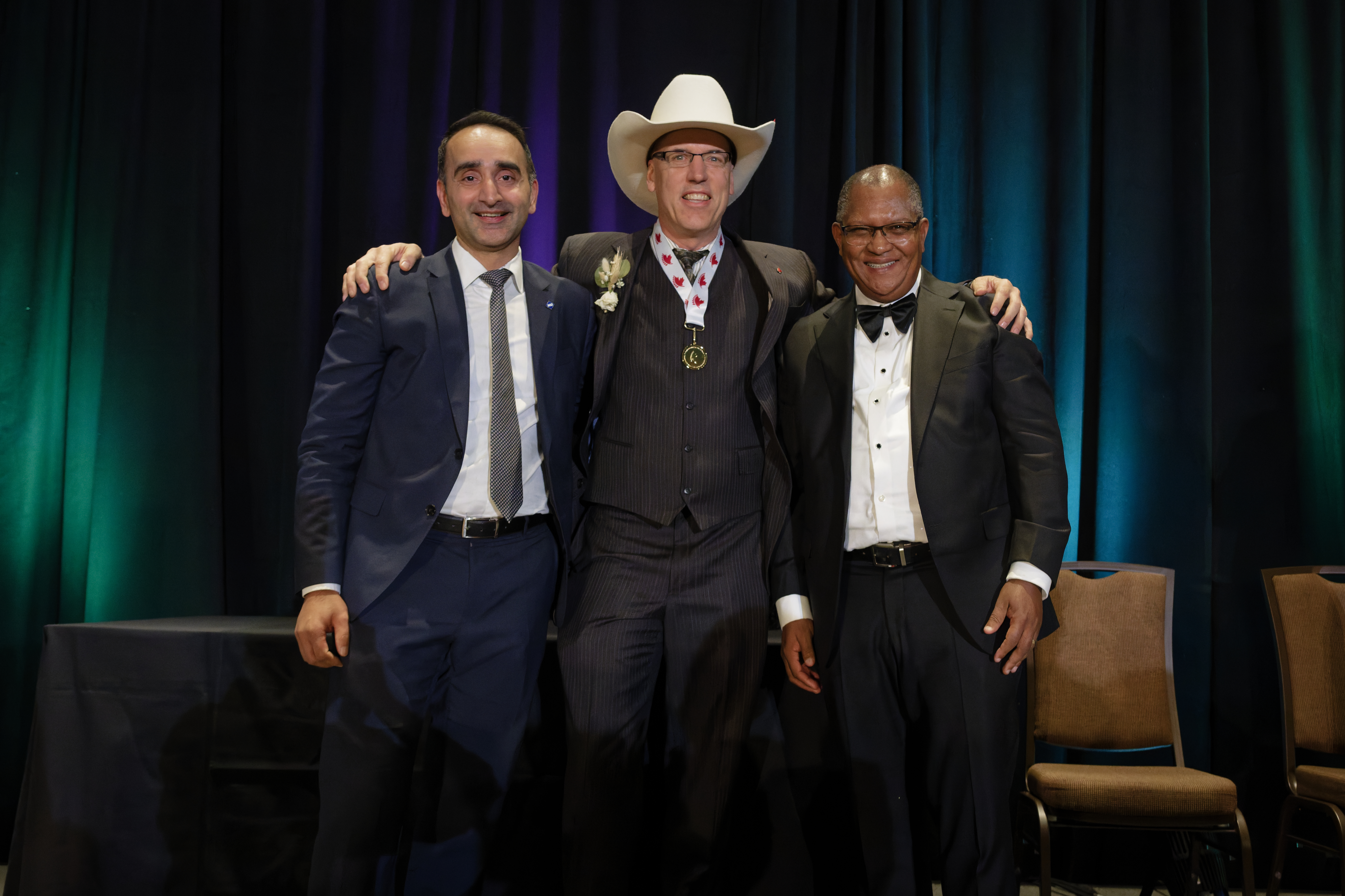
Michael D. Hill inducted into the Canadian Medical Hall of Fame
Calgary, Alberta
-
Appointed as Medical Director for Neurosciences Care Alberta
The Strategic Clinical Networks have been transitioned into province wide programs. Stroke is now embedded in Neurosciences Care Alberta.
-
Appointed to the World Stroke Organization Board of Directors
-
Appointed as Senior Medical Director for Cardiovascular and Stroke for the Strategic Clinical Network at Alberta Health Services
-

President for the Canadian Neurological Sciences Federation
-
Dr. Hill published the groundbreaking Endovascular treatment for Small Core and Anterior circulation Proximal occlusion with Emphasis on minimizing CT to recanalization times (ESCAPE) trial.
Brain & MindThe ESCAPE trial proved the effectiveness of endovascular treatment for removing the large blood clots that cause the most severe ischemic strokes. Since its publication in the New England Journal of Medicine, the ESCAPE study has informed clinical care and ongoing studies globally.
-

Appointed Associate Dean, Clinical Research/Clinical Trials, Faculty of Medicine, University of Calgary
-

Appointed Board Chair for the Heart & Stroke Foundation of Alberta
-
Dr. Hill co-developed the Fast Assessment of Stroke and Transient Ischemic Attach to Prevent Early Recurrence (FASTER) Trial
Funded by the Canadian Institutes of Health Research (CIHR) and Sanofi, this was the first major trial to suggest double antiplatelet treatment for minor stroke or transient ischemic attack (TIA).
-
Joined the faculty of the University of Calgary as Assistant Professor in the Department of Clinical Neurosciences, and appointed to full-time medical staff for Alberta Health Services in the Calgary Health Region (now the Calgary Corridor).
-
Speciality training in Internal Medicine (1993-1996) at the University of Ottawa and then Neurology (1996-1999) at the University of Toronto and then Stroke Fellowship (1999-2001) at the University of Calgary.
-
Received his MD from the University of Ottawa
1989
His work has directly influenced how stroke is being treated worldwide, and he continues to do that. It has impacted not just the field of stroke research, but it has also impacted hundreds and thousands of patients who are now having improved outcomes because of good stroke research and care.
You might also be interested in these Laureates