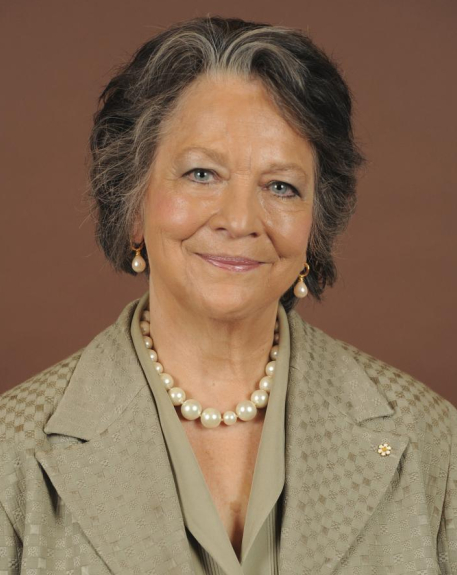
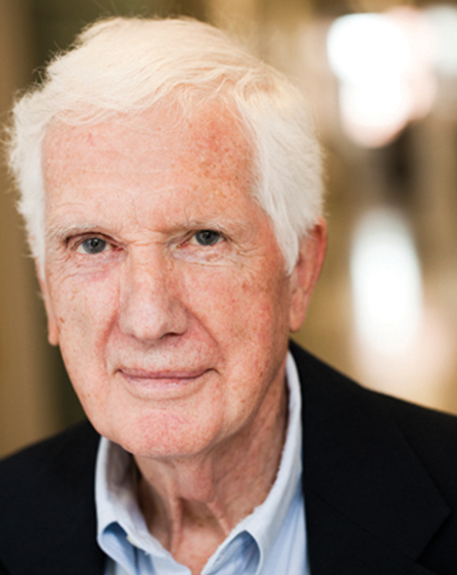
2026 INDUCTEE Robert Alexander Hegele, MD Cells, Genetics & Genomics
November 21, 1957
(Toronto, Ontario)
MD, University of Toronto (1981)
AA, Royal Conservatory of Music Toronto (1975)
2026: Clinician-Scientist Award, Association of Faculties of Medicine of Canada
2025: Clarivate Highly Cited Researcher, ranking in the top 0.1% of citations in all fields
See All AwardsAwards & Honours:
2026: Clinician-Scientist Award, Association of Faculties of Medicine of Canada
2025: Clarivate Highly Cited Researcher, ranking in the top 0.1% of citations in all fields
2025: Fellow of the Royal Society of Canada, Academy of Science
2024: W. Virgil Brown Distinguished Achievement Award, US National Lipid Association
2020: Pioneer Award for Improving Care of Those Living With FH, The Familial Hypercholesterolemia (FH) Foundation (US)
2020: The Canadian Society of Clinical Chemists Award for Research Excellence
2019: The American Heart Association George Lyman Duff Award and Lectureship in Atherosclerosis Research
2018: Canadian Cardiovascular Society Segall Award, Merit for significant contribution to cardiovascular disease prevention in Canadians
2018: American College of Physicians Ontario Chapter Laureate Award for Research Excellence
2012: The Journal of Lipid Research Lectureship Award, 2012 Kern Conference on Lipid Metabolism
2011: The American Heart Association ATVB Distinguished Achievement Award, Scientific Council on Arteriosclerosis, Thrombosis and Vascular Biology
2006: William F. Grant and Peter B. Moens Award of Excellence, Genetics Society of Canada
2005: Charles H. Best Lecture Award, Toronto Diabetes Association
2004: The 8th Annual Hellmuth Prize for Achievement in Research, Western University
2004: Jeffrey M. Hoeg Award, The American Heart Association
2001: Award of Excellence, Western University Faculty of Medicine and Dentistry
2001: Distinguished Researcher Award, Government of Ontario
1995: Young Investigator Award, Eastern Section, American Federation for Clinical Research
1995: Alan Bruce Robertson Award, Clinical Research Society of Toronto
1992: Henry Christian Award for Research Excellence in the Nutrition and Endocrinology sub-sections, American Federation for Clinical Research
1990: McDonald Award, Heart and Stroke Foundation of Canada
1990: Joe Doupe Young Investigator Award, Canadian Society for Clinical Investigation/Royal College of Physicians and Surgeons of Canada
1981: Medical Society Honour Award, University of Toronto
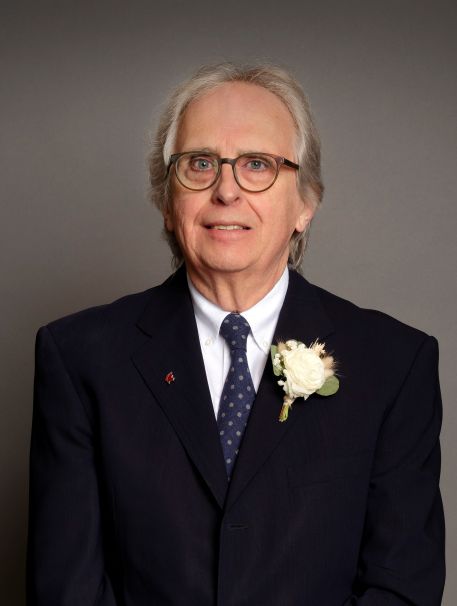
A forerunner in human lipid disorder research
Dyslipidemia, or elevated levels of blood fats such as cholesterol and triglycerides (lipids), can increase the risk of heart attacks, strokes, and other serious health issues. Robert Hegele, MD, is a world leader in the clinical management and research of lipid disorders, which represent a significant and often undertreated public health problem. His career integrates cutting-edge science with real-world applications grounded in patient care. A Distinguished University Professor of Medicine and Biochemistry at Western University and Director of the London Regional Genomics Centre at Robarts Research Institute, Dr. Hegele has discovered genetic causes for several rare conditions, including hepatic lipase deficiency and familial partial lipodystrophy types 2 and 3. In addition to his innovative research, Dr. Hegele has been instrumental in translating this research into practical diagnostic platforms and therapies that directly benefit patients. Notably, he helped to develop LipidSeq, a next-generation DNA sequencing panel that has become a standard of care for thousands of patients in Ontario. Dr. Hegele has transformed our understanding and management of genetic dyslipidemias, a contribution reflected in over 1,000 peer-reviewed publications and numerous prestigious awards.
Key Facts
Dr. Hegele was among the first doctors worldwide to use eight medications that are now routinely prescribed to treat dyslipidemia or diabetes.
He was the first Canadian to win a number of US awards for research and improved care outcomes, including the American Heart Association's Jeffrey M. Hoeg award in 2004.
His laboratory discovered the causal genes and first pathogenic variations for over 20 human diseases.
His lab developed LipidSeq, a DNA sequencing panel to diagnose genetic dyslipidemia, which has since become a standard of care in Ontario
He has published more than 1000 peer-reviewed articles in the National Library of Medicine (PubMed) with more than 100,000 citations on Google Scholar.
Fun fact: Received his Associate degree from the Royal Conservatory of Toronto (ARCT) in piano performance in 1975.
Professional timeline
Impact on lives today
Dr. Hegele’s groundbreaking research in lipid disorders has spearheaded the discovery of human disease genes and pathogenic variants, the development of new DNA diagnostic methods, and the implementation of pioneering new therapies for diabetes and other disorders. In addition to conducting his own research, he has also been at the forefront of improved clinical care, offering new medicines to his clinical patients once approved in Canada. Over the course of his career, he has translated his genetic discoveries into better treatment and quality of life for patients across Canada and worldwide.
2026
-

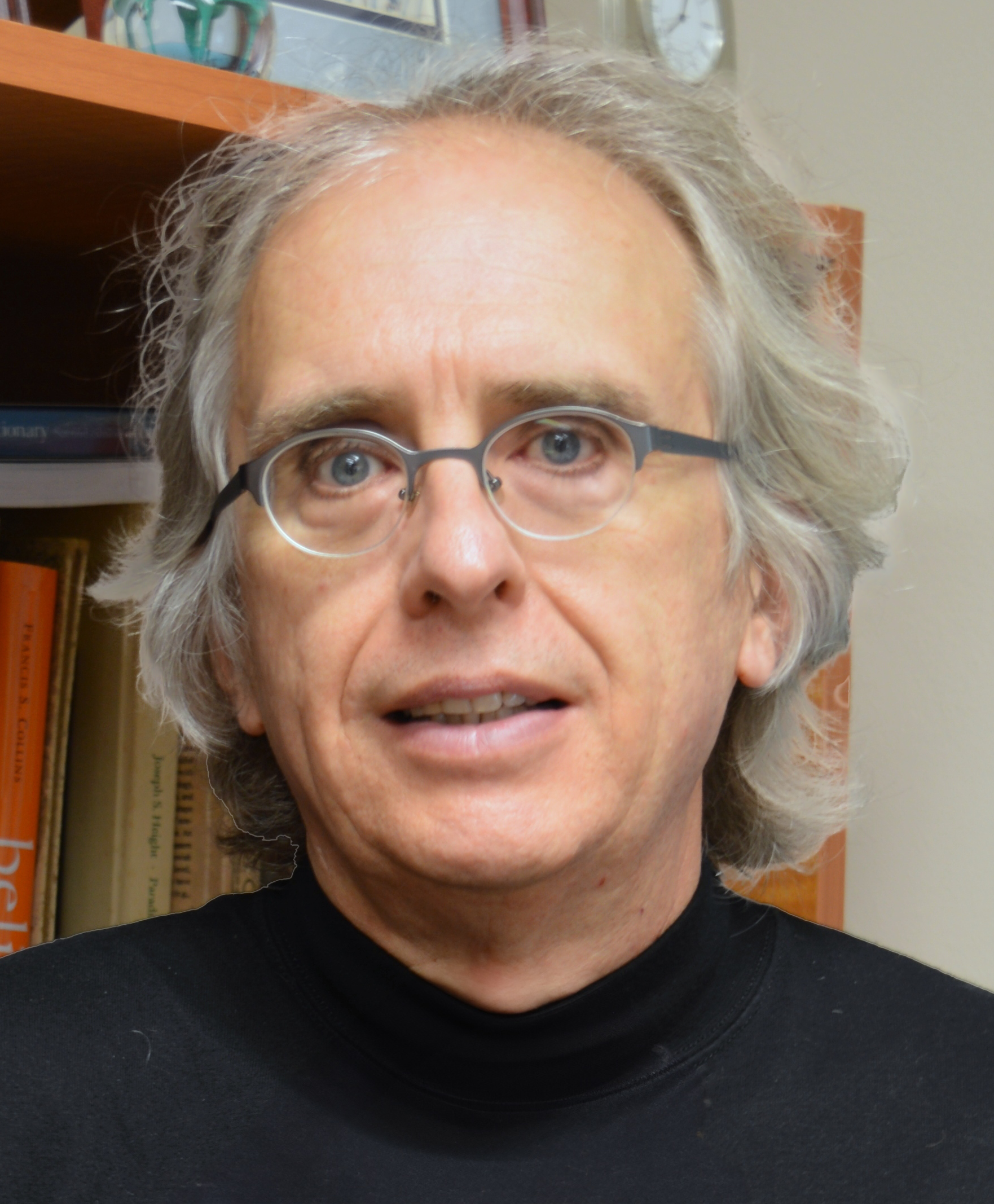
Robert Alexander Hegele inducted into the Canadian Medical Hall of Fame
Calgary, Alberta
-
Dr. Robert Hegele's LipidSeq panel receives province-wide clinical implementation.
Cells, Genetics & GenomicsAfter 10 years of clinical use, Dr. Hegele’s LipidSeq panel received approval for province-wide clinical diagnostic testing of familial hypercholesterolemia (FH) in Ontario.
-
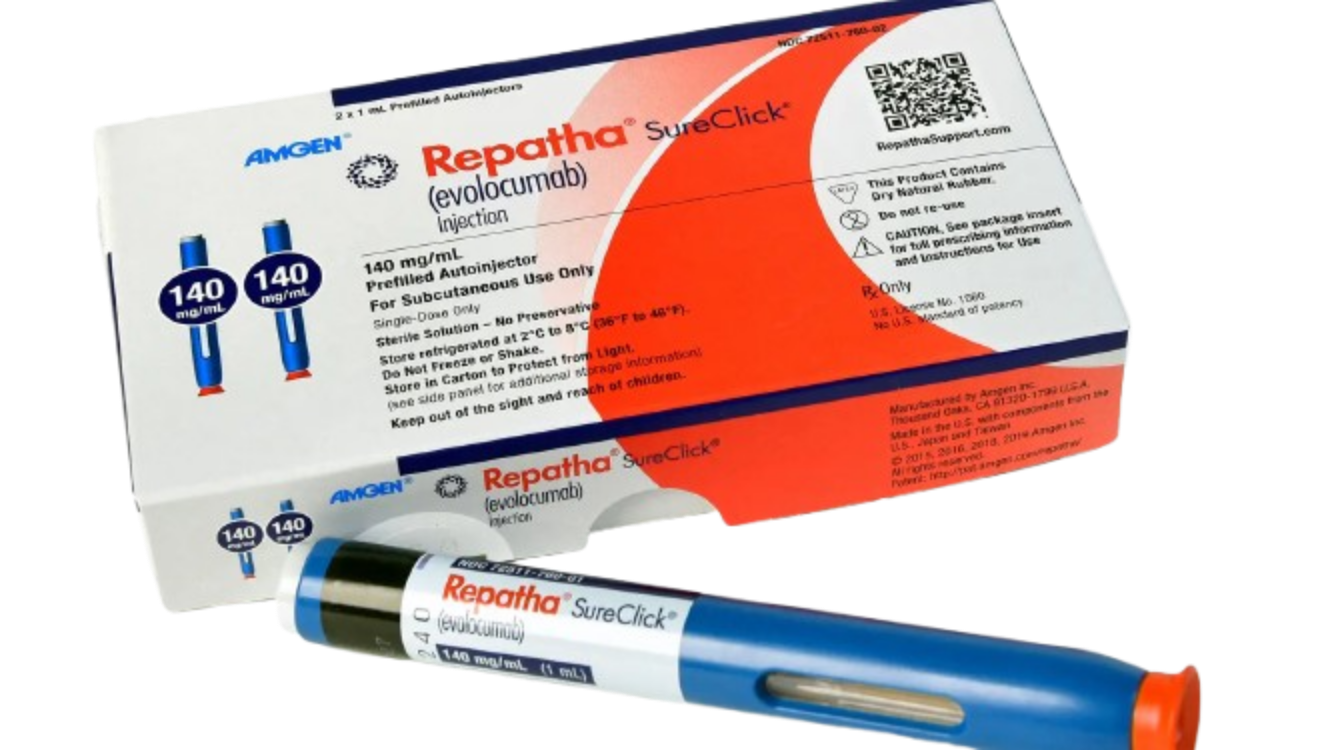
Dr. Hegele’s patient was the first in Canada to receive the new biological cholesterol-lowering drug evolocumab for treatment of familial hypercholesterolemia (FH).
-
Invention of LipidSeq, a targeted DNA sequencing panel
Cells, Genetics & GenomicsDr. Hegele’s laboratory invented LipidSeq, a targeted sequencing panel, to study the genetic determinants of dyslipidemia and metabolic disorders. Since its invention, LipidSeq has improved the lives of thousands of patients.
-

Named a Distinguished University Professor at Western University
-
Appointed the Jacob J. Wolfe Distinguished Medical Research Chair in Human Gene Function at Western University
Dr. Hegele has held this endowed chair for more than 20 years.
-

Dr. Hegele founded and became first director of the London Regional Genomics Centre
The London Regional Genomics Centre at Robarts Research Institute provides state-of-the-art genomics services for hundreds of laboratories, enabling decades of biomedical research across institutions and hundreds of original scientific publications.
-
Dr. Hegele discovered the genetic basis of familial partial lipodystrophy.
As an Associate Professor of Medicine at Western University and scientist at Robarts Research Institute, Dr. Hegele discovered that lamin A/C is the causal gene for familial partial lipodystrophy type 2.
-
Dr. Hegele discovered the polygenic nature of lipid disorders
He reported the world’s first description of the polygenic basis of lipid (cholesterol) disorders, showing these conditions were caused by multiple genes.
-
Pioneered DNA testing for FH
During his research as a post-doctoral fellow at the University of Utah, Dr. Hegele pioneered the use of DNA markers in clinical care for FH by tracking low-density lipoprotein receptor gene inheritance. The first clinical application of this method was published in 1989.
-

Received his MD with Honours from the University of Toronto
1975
It's truly remarkable that with all his accomplishments scientifically, he has remained just an amazingly grounded, wise, thoughtful individual who wants the best for all of his colleagues.
Additional Resources:
You might also be interested in these Laureates